
Blurring the Line Between Work and Life: Why It Matters
When I first started my career, the message was clear: leave your personal life at the door. You came to work, did your job, and went home. Simple. Or at least, that’s what we were told.
But over the last five to six years—especially working in the mental health and wellbeing space—I’ve seen that idea start to shift. And honestly, I think it’s for the better. The truth is, none of us can completely shut off what’s happening outside of work. Our own experiences with stress, anxiety, and life’s challenges inevitably shape how we show up at work.
For me, this has never been clearer than in the last three months. My husband and I have just finished renovating our house and put it on the market. It’s been an exciting but extremely stressful process. I would love to say that I’ve been able to put that aside and focus purely on my clients, my team, and my work—but the reality is, it’s been hard. Life doesn’t pause when we walk through the office door.
What has made all the difference, though, is having a supportive boss. Someone who listens, makes space for what I’m going through, and empowers me to manage both my personal and professional responsibilities without feeling like I’m failing in either. That kind of support has been invaluable.
And it’s got me thinking: how do we create more workplaces where this kind of culture is the norm? How can leaders encourage their teams to bring their whole selves to work, without fear of judgment or repercussions? How can we support staff through the ups and downs of life in a way that strengthens, rather than weakens, our working relationships?
Because when we acknowledge the human side of our colleagues, we don’t just foster wellbeing—we build stronger, more resilient, and ultimately more effective teams.
Why Mentors Matter
Over the last 12 years, I’ve been fortunate to cross paths with some incredible mentors. Each one has left an imprint on me, guiding me through different stages of life and work. When I look back, I can see clearly just how much they’ve shaped the person I am today.
My very first mentor came into my life when I was just 15. At that time, I’d stepped away from the traditional schooling path. After finishing grade 10 at a private school in Brisbane, I transitioned into a trade college to complete years 11 and 12 while taking on a school-based traineeship with Queensland Health at Redcliffe Hospital. One day a week I was at the hospital, and the rest of the week I was in the classroom. I also picked up shifts during the school holidays, rotating through departments like emergency, medical imaging, and pharmacy.
Looking back, it was a big leap for someone so young. At 15 and 16, you’re just beginning to figure out who you are. Stepping into a professional workplace that early was both exciting and overwhelming. Having a mentor at that age made all the difference. It gave me confidence to walk into unfamiliar environments and believe that I belonged there. It provided guidance when everything felt new and uncertain, helping me make sense of what I was learning. It offered stability during a time of life that can be turbulent, reminding me that no matter how overwhelming things felt, there was someone I could rely on. Most of all, it gave me life skills that went beyond the technical side of the traineeship — lessons in professionalism, resilience, empathy, and the small but important things that shape the way you show up in the workplace.
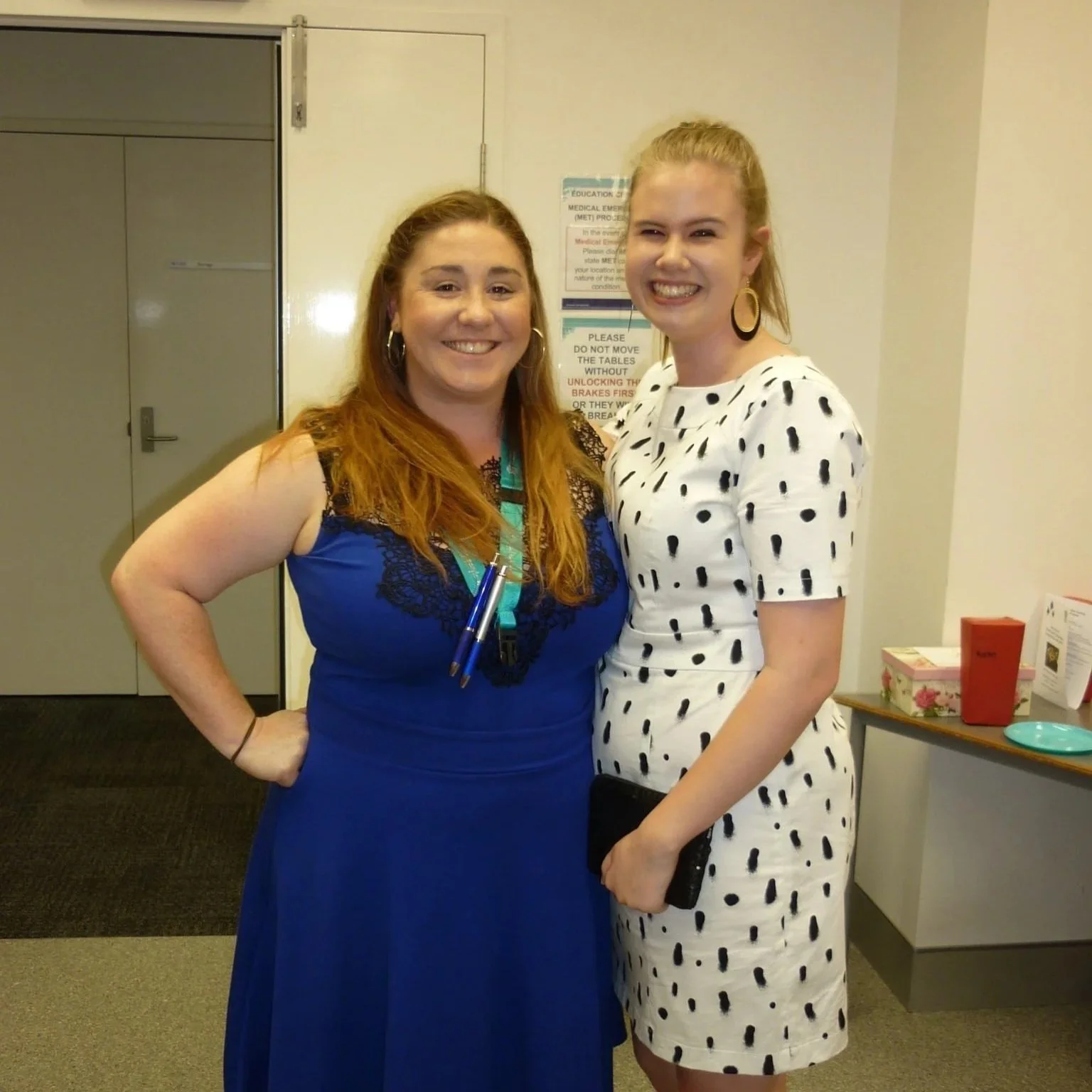
For me, that person was Kylie, our school-based traineeship coordinator. She was our constant. Every week, no matter how uncertain we felt, we knew her office door was open. She listened, she guided, and she grounded us as a group. Whether we were training in nursing, dental, or admin, she made sure we all got through. Kylie was approachable, funny, and kind — the kind of mentor who made you want to live up to her example. To this day, I still think of her as my first true mentor in the workplace.
Since then, I’ve been lucky to have other mentors who’ve continued to encourage me, challenge me, and help me grow. And now, through my work with the Inspiring Brighter Futures Foundation, I’ve come full circle. Our program matches mentors from across Townsville with students in schools, giving young people the same gift I was given at 15: someone to walk beside them, believe in them, and guide them through those first uncertain steps.
Mentors don’t just shape careers — they shape people. They remind us of what’s possible, they help us see our strengths, and they stay with us long after the formal program is done. For me, that journey started with Kylie, and it’s one I now feel proud to continue by helping young people find mentors of their own.
Moving Your Body, Calming Your Mind: The Link Between Exercise and Mental Health
We often think about exercise as a way to stay fit, lose weight, or improve strength. But what’s just as powerful—though often overlooked—is the impact physical activity has on our mental health. Movement has the ability to lift our mood, reduce stress, and help us manage anxiety and depression.
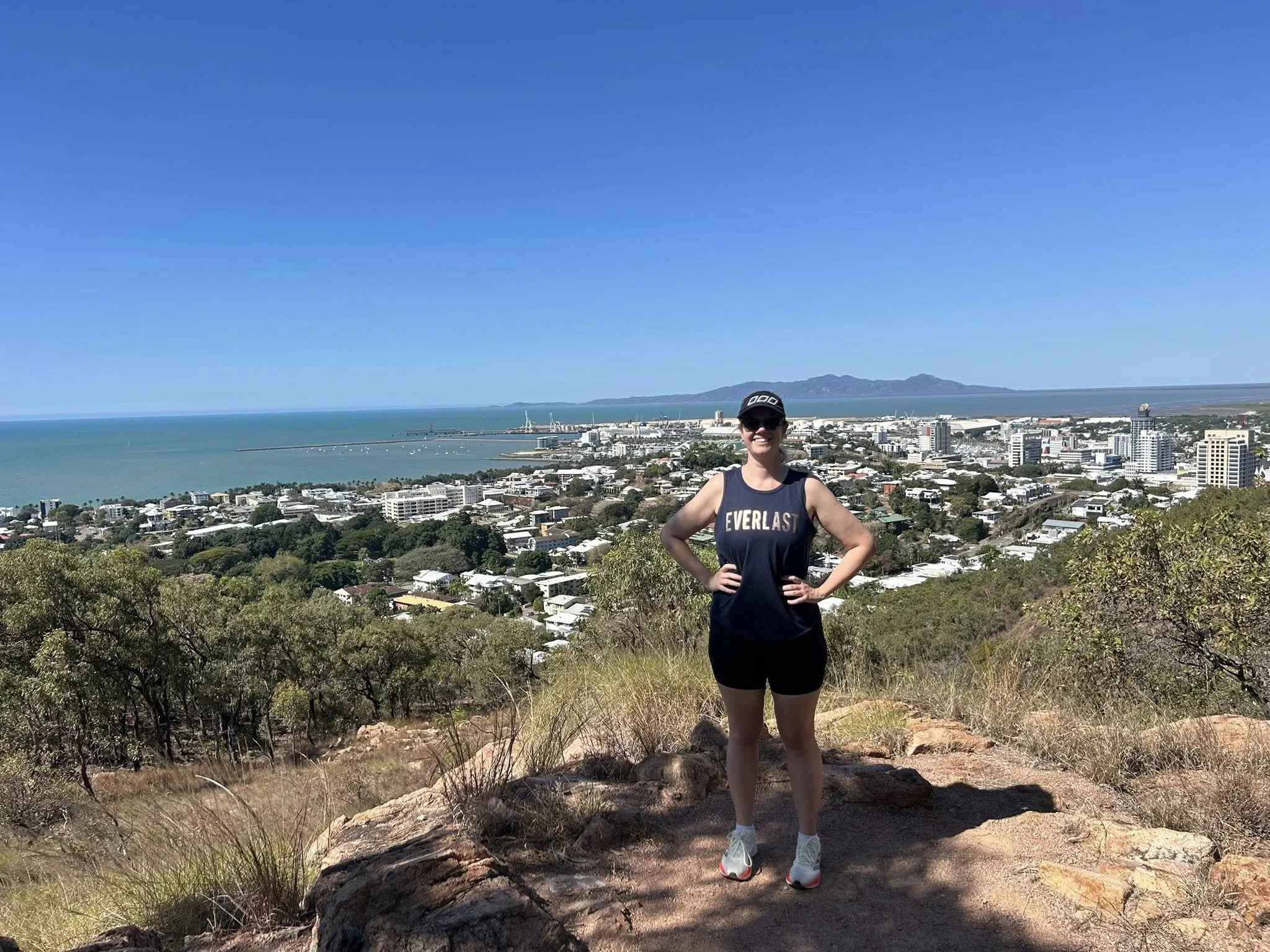
For me, it’s the climb up the Goat Track on Castle Hill or a long walk along The Strand. There’s something about seeing the ocean stretched out from the top of Castle Hill, or walking right alongside it, that makes me feel grounded and calm. Those moments in nature, paired with movement, are how I keep my own mental health strong.
When we move our bodies, we release endorphins—those “feel-good” chemicals that boost mood—while lowering cortisol, the stress hormone. Exercise also improves sleep, helps us think more clearly, and gives us a healthy outlet to cope with life’s challenges.
And it doesn’t have to be intense. Even small amounts of movement make a difference. A 20-minute walk on your lunch break, stretching before bed, or dancing in your living room can all support mental wellbeing. Focusing on your breathing during yoga or the rhythm of your footsteps on a walk can bring you into the present moment and calm racing thoughts.
Starting small is often the key. Just ten minutes a day of something you enjoy—walking, swimming, cycling, or even gardening—can make a big difference. Exercising with a friend can add a social boost, and it helps to celebrate the mental and emotional wins, not just the physical ones.
Movement is more than just a workout—it’s an act of self-care. By making space for it in our routines, we’re not just building stronger bodies, we’re also building stronger minds.
✨ Reflecting on Career Pathways
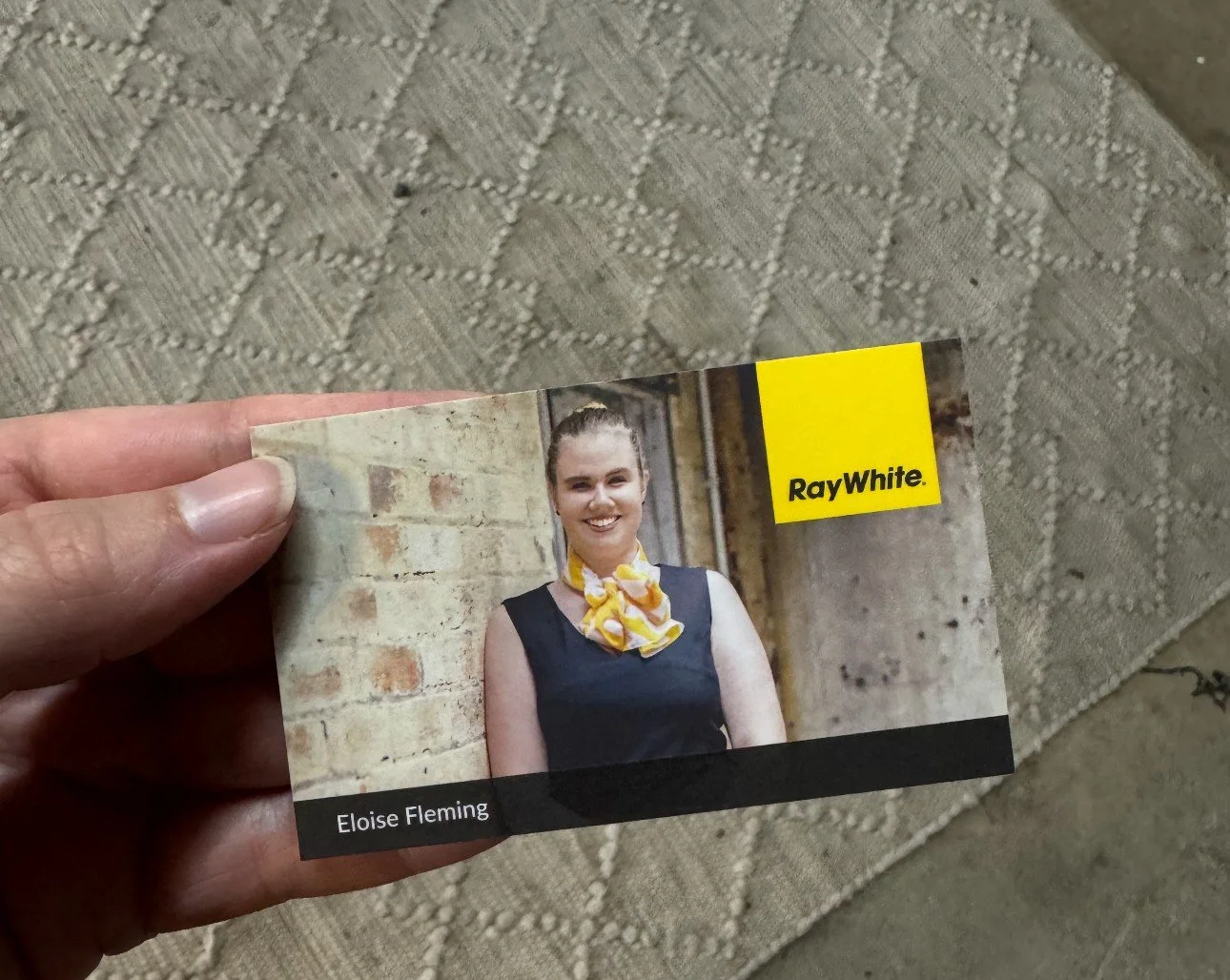
While moving house recently, I came across an old business card from my time at Ray White. It instantly took me back to those early days in real estate — when I was young, eager, and just starting out as a property manager on a career, I thought would last me a lifetime.
Back then, my world revolved around tenancy agreements, inspections, and property portfolios. But as life often does, my career path shifted. I moved into community housing — and this change completely altered the way I saw my work and myself.
In that role, I supported tenants who weren’t just looking for a roof over their heads. Many were navigating complex challenges: mental health concerns, alcohol and other drug use, the impacts of domestic and family violence, and in some heart breaking cases, supporting families through the loss of life to suicide. These experiences deeply shaped me.
It was during this time I realised my true passion wasn’t in property — it was in people. I found purpose in supporting others through crisis with empathy, respect, and care. That realisation shifted not only my career, but my studies. I made the decision to leave behind my marketing diploma and instead pursue pathways in community health, mental health, and eventually into training and education — where I now work to empower others with the skills to support people in need.
That transition from real estate to community housing was a turning point. It showed me that career changes aren’t just possible — they can be powerful. They can open doors we didn’t even know existed and lead us to work that truly aligns with our values.
I was sharing this with a student from our Onwards & Upwards program today through Inspiring Brighter Futures Foundation and it reminded me: careers are rarely straight lines. Sometimes it’s the unexpected turns that shape us the most.
The Hardest Part of My Work (And Why I Keep Doing It)
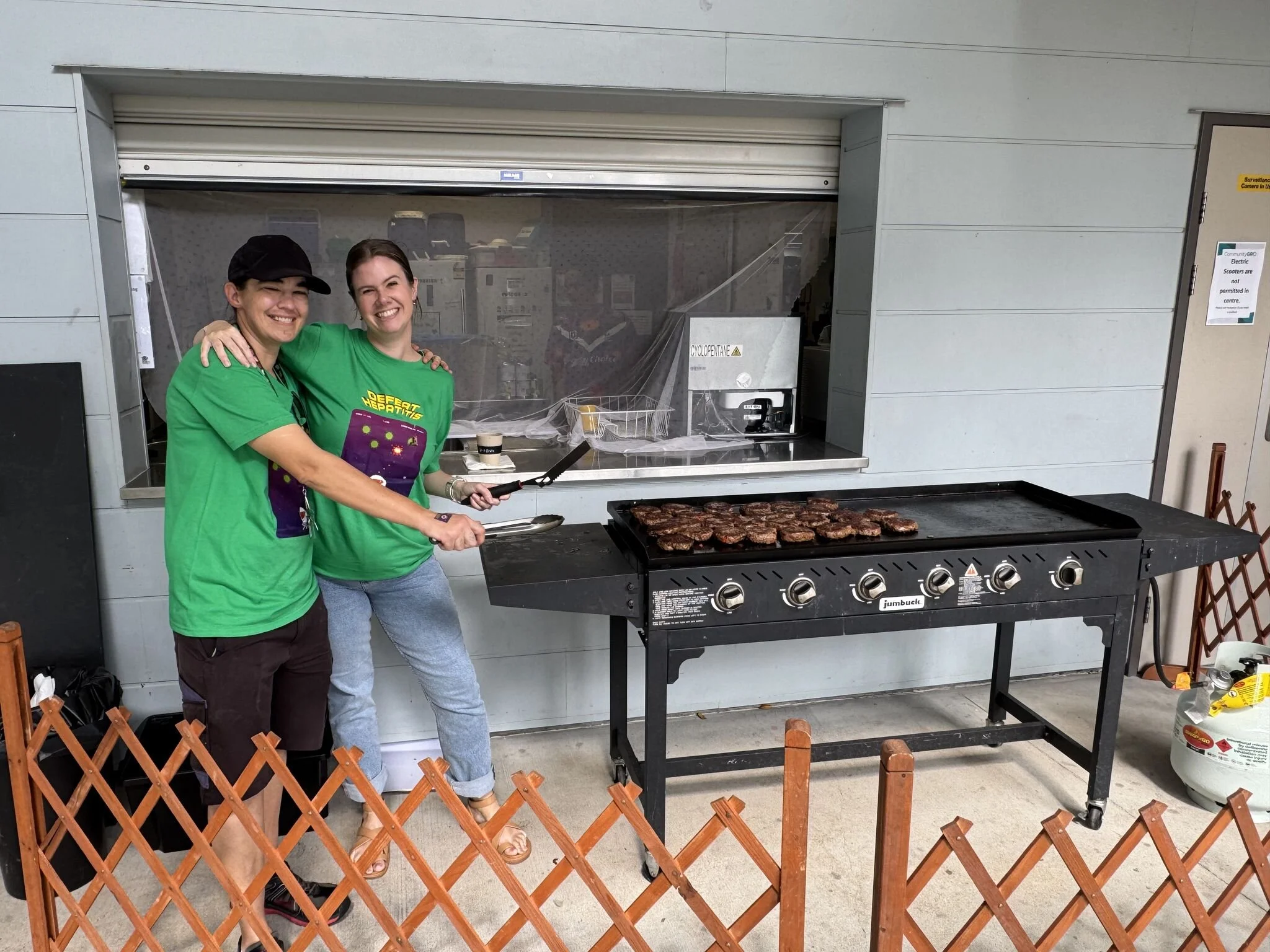
For the past two years, I’ve been working in the non-for-profit space as a Team Leader and Drug and Alcohol Counsellor. Most of the clients I support are people coming out of the justice system or navigating community orders. It’s a space that is incredibly challenging — but also where some of the most powerful moments of change can happen.
When I sit across from someone who has just come out of prison, I’m often meeting them at one of the hardest points in their life. They’re trying to adjust to life outside, rebuild trust with their families, navigate stigma, and break free from patterns that have followed them for years. On top of that, many are living with dual diagnoses — mental health conditions alongside substance use. It’s not neat, it’s not simple, and it’s not always a straight path forward. But what I’ve learned is that people don’t need perfection — they need connection. They need someone who will listen without judgement, someone who believes they are more than the mistakes they’ve made.
What really defines my work in the non-for-profit space is advocacy — breaking down the stigma that so often surrounds people in the justice system, people living with substance use issues, and people experiencing mental health challenges. These barriers make people feel unworthy of support, ashamed of their struggles, and invisible to the world around them. I see my role as helping to dismantle those walls. To remind people — and the systems around them — that everyone has a story beyond the stigma. That recovery, growth, and transformation are possible when people are met with compassion instead of judgement.
What keeps me going is seeing what happens when stigma is replaced with support. I see it in the relief when someone realises they’re finally being seen as a person, not a problem. I hear it in the gratitude of a client who says, “You didn’t judge me — that’s why I came back.” I feel it in the pride of people who, step by step, begin to believe in themselves again. This is the heart of my work: to be part of breaking cycles, challenging stigma, and opening doors to healing.
Working in the drug and alcohol and mental health space with people coming out of the justice system isn’t just my job — it’s my passion. It’s where I’ve seen resilience in its rawest form, and it’s where I’ve learned the power of compassion, patience, and advocacy. The hardest part of my work is also the most important part: breaking down stigma and building people up. And that’s why I’ll keep doing this work. Because every person deserves to be seen for who they are today, not just for where they’ve been.
💡 This is the heart of why I do what I do. It’s not easy work — but it’s the work that changes lives.
My Week in Brisbane: Becoming a Mental Health First Aid Instructor
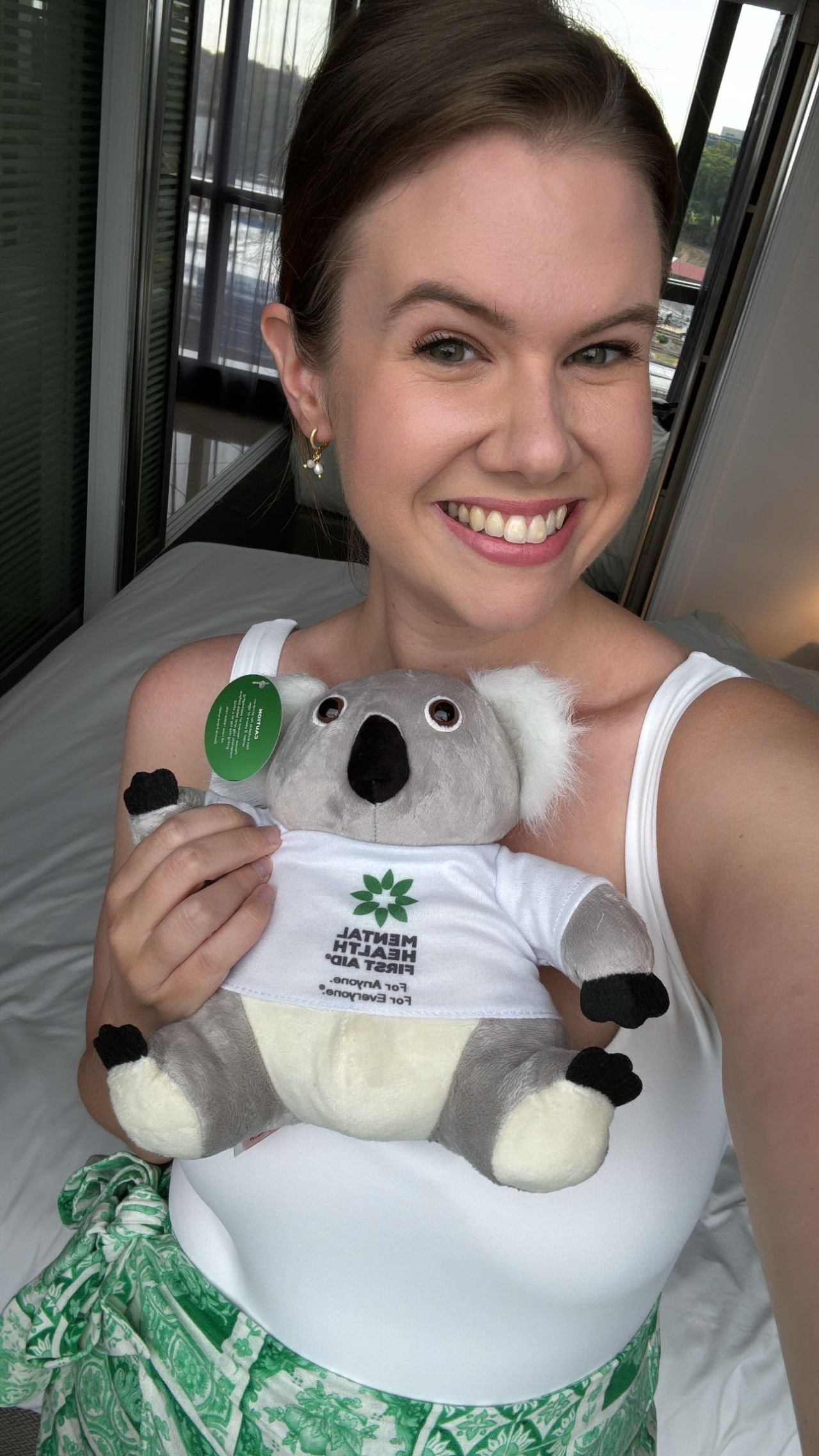
Earlier this year, I had the incredible opportunity to complete my Mental Health First Aid Instructor course in Brisbane. Looking back, it was one of the most inspiring and energising weeks I’ve ever had in my professional journey.
The course brought together 18 amazing people from all around Australia — from Brisbane, Melbourne, Perth, Tasmania, and beyond. Each of us came from different walks of life and professions, from psychologists and social workers to community leaders and government workers. What united us all was a shared commitment: to be able to deliver Mental Health First Aid training, either within our organisations or to the wider community.
Over the week, I was constantly inspired by the diversity, expertise, and passion in the room. Everyone brought their own experiences, insights, and perspectives, and together we created a space of learning, support, and collaboration. It wasn’t just about the technical skills; it was about the human connection and the shared goal of improving mental health literacy across the country.
We were guided by two outstanding instructors, incredibly intelligent and well-led, who taught us the key fundamentals of the course. They challenged us, encouraged reflection, and shared practical strategies that we can now take into our workplaces and communities. The week was intense and challenging, but every moment was worth it.
What really stood out to me was the sense of community and purpose. Being surrounded by people who are dedicated to breaking down stigma, promoting mental health, and empowering others to support those in need was truly inspiring. It reminded me why I do this work and how important it is to continue learning, growing, and sharing knowledge.
Completing this course wasn’t just a professional milestone — it was a personal one too. It reinforced my passion for creating circles of support, equipping people with the skills and confidence to have meaningful conversations about mental health, and ultimately, making a difference in the lives of others.
Looking back, I feel incredibly grateful for that week in Brisbane — for the people I met, the lessons I learned, and the inspiration that continues to fuel my work.
💡 Mental Health First Aid isn’t just a course — it’s a movement, and I’m so excited to be part of it.